Jewelry: small items, large differences
Jewelry is cheap to ship and expensive to get wrong. Clasp type, plating thickness and setting quality are visible in photos if you know where to look.
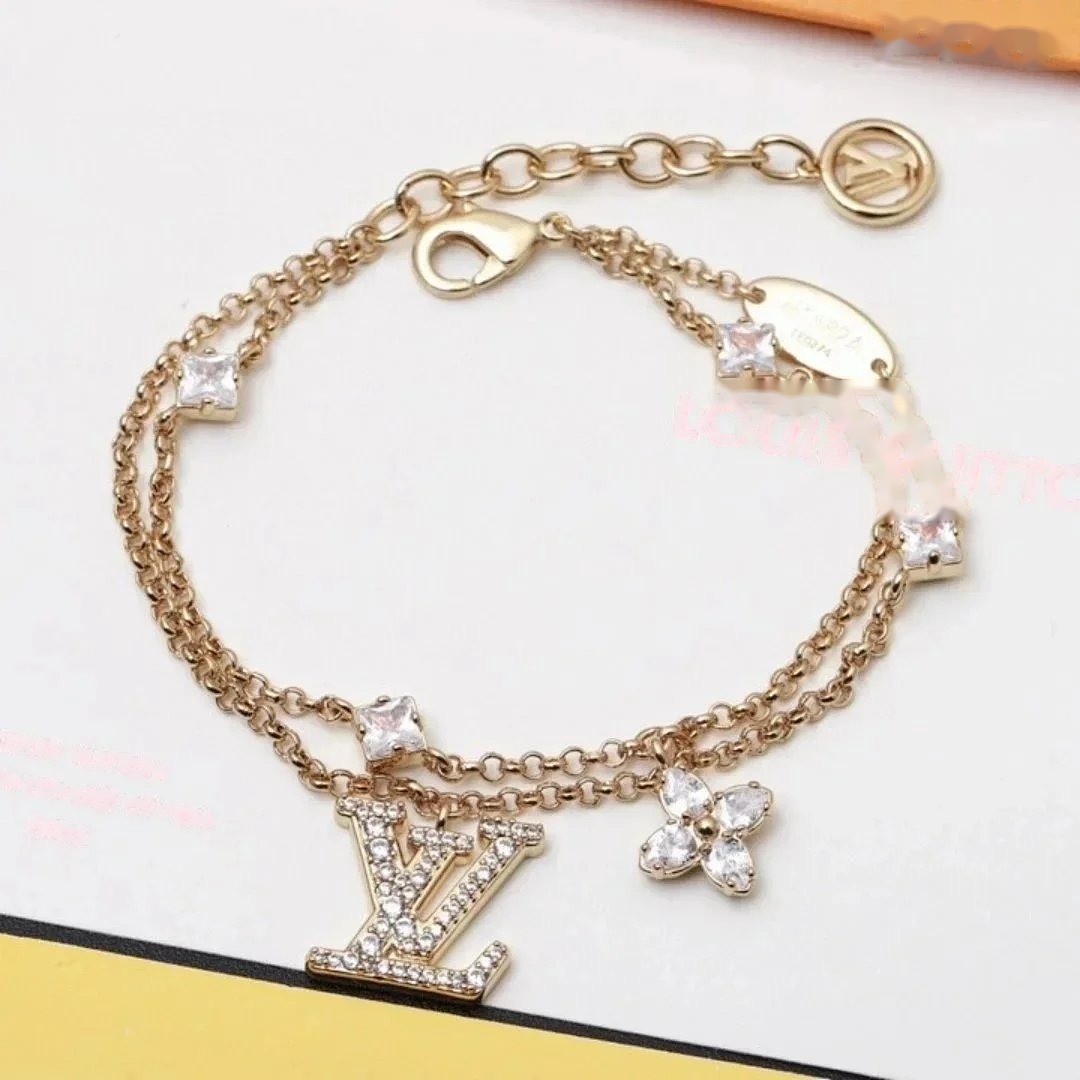 JewelryLouis Vuitton Monogram Bracelet Floral
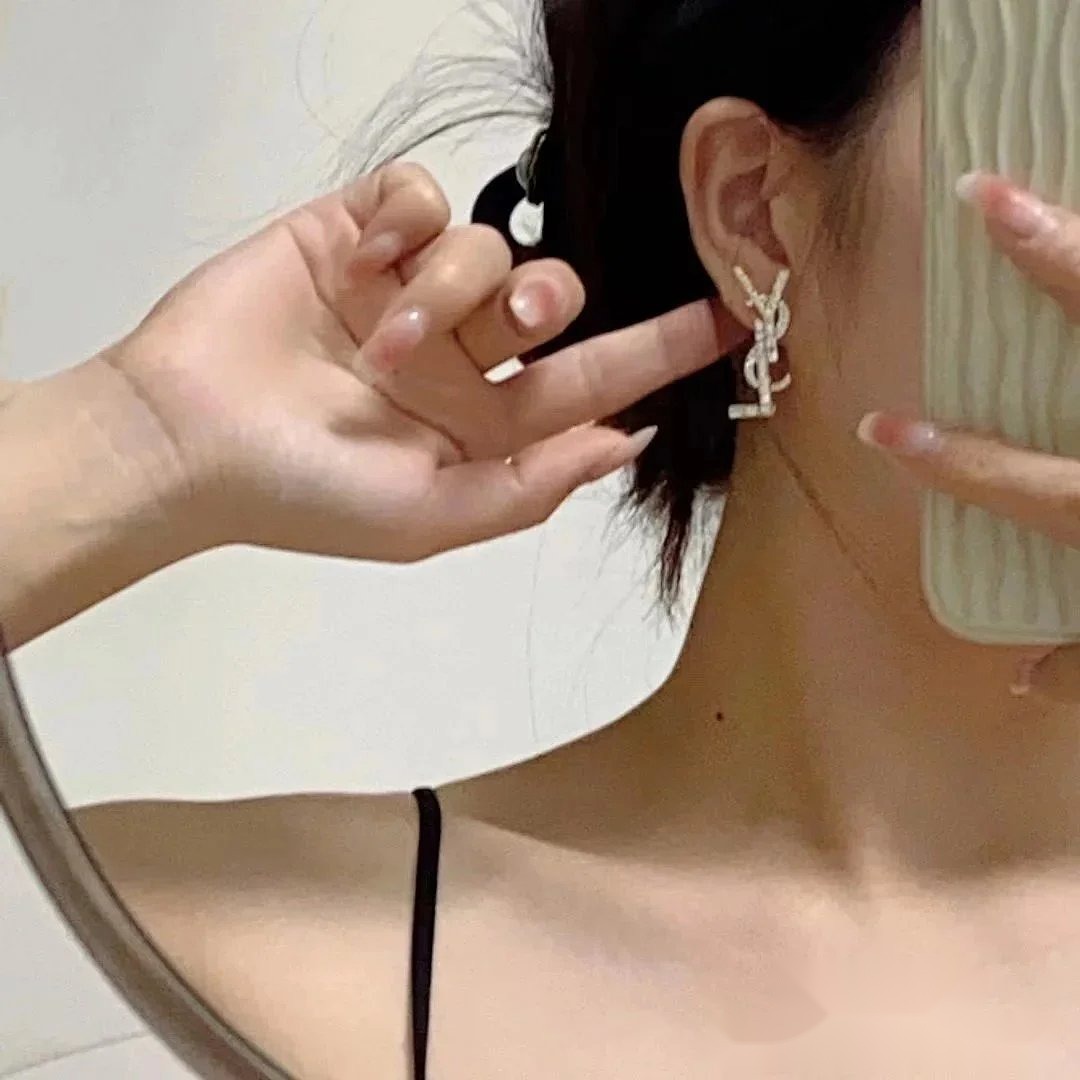 JewelryChanel Earrings Diamond-Set
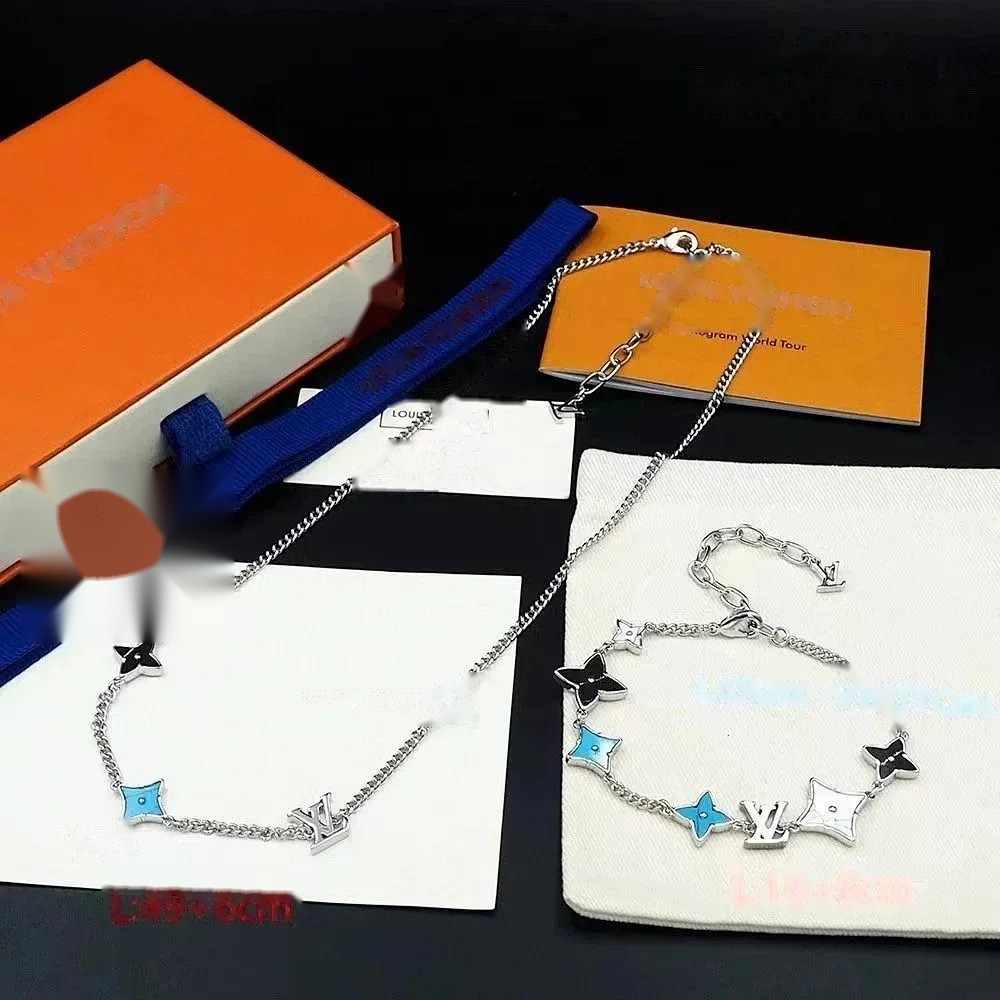 JewelryLouis Vuitton Monogram Sunrise Necklace Floral Unisex
 JewelryLinks Leather & Canvas Charm Bracelet
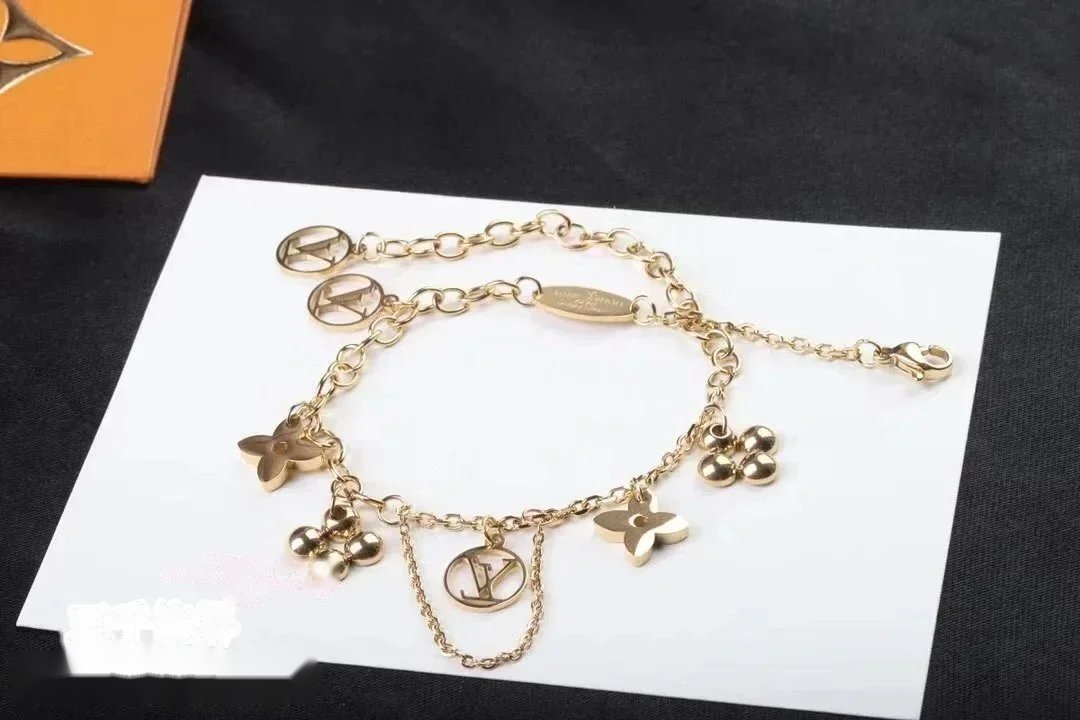 JewelryBlooming Circle Bracelet
 JewelryBvlgari Aluminium 39mm
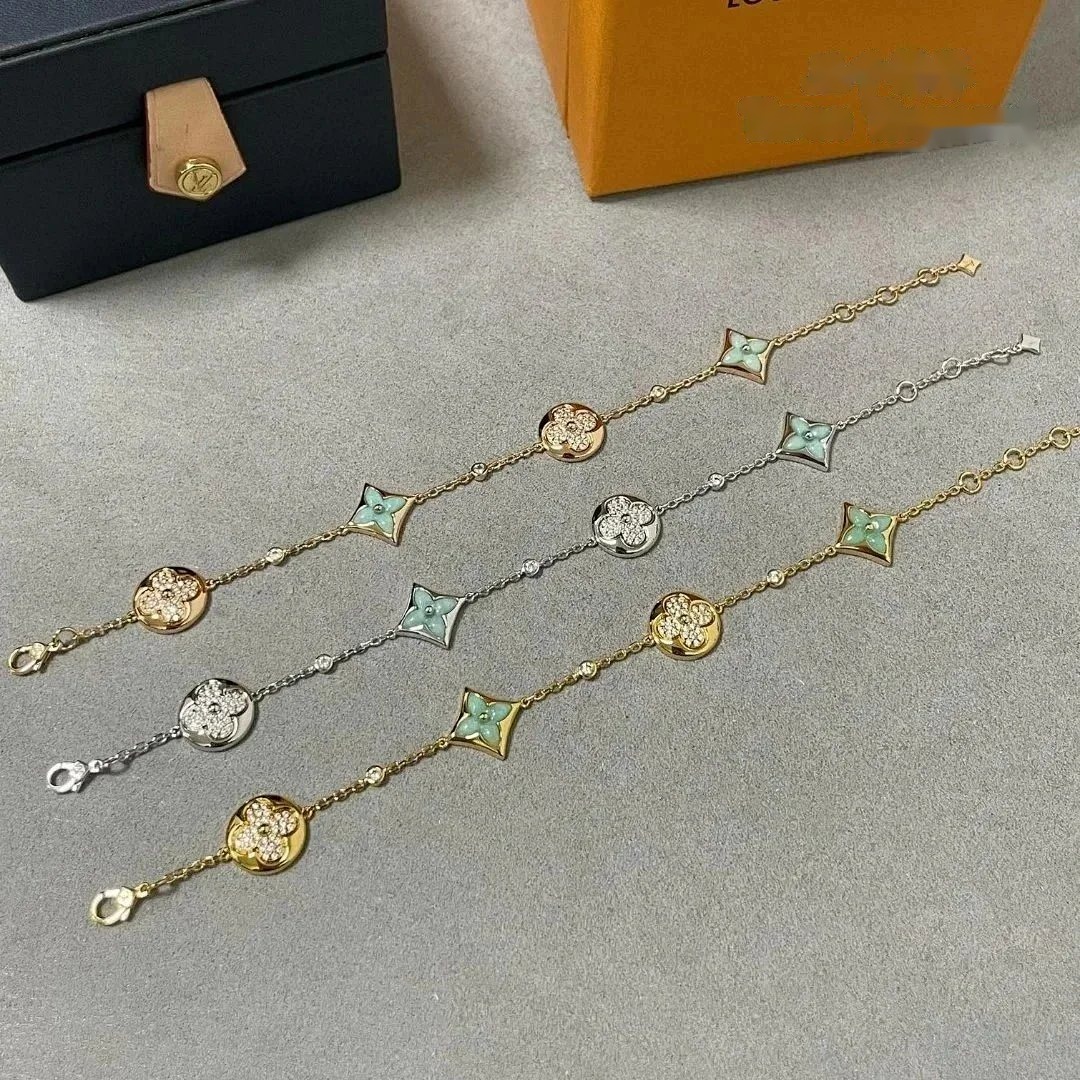 JewelryLouis Vuitton Color Blossom Bracelet Floral M02
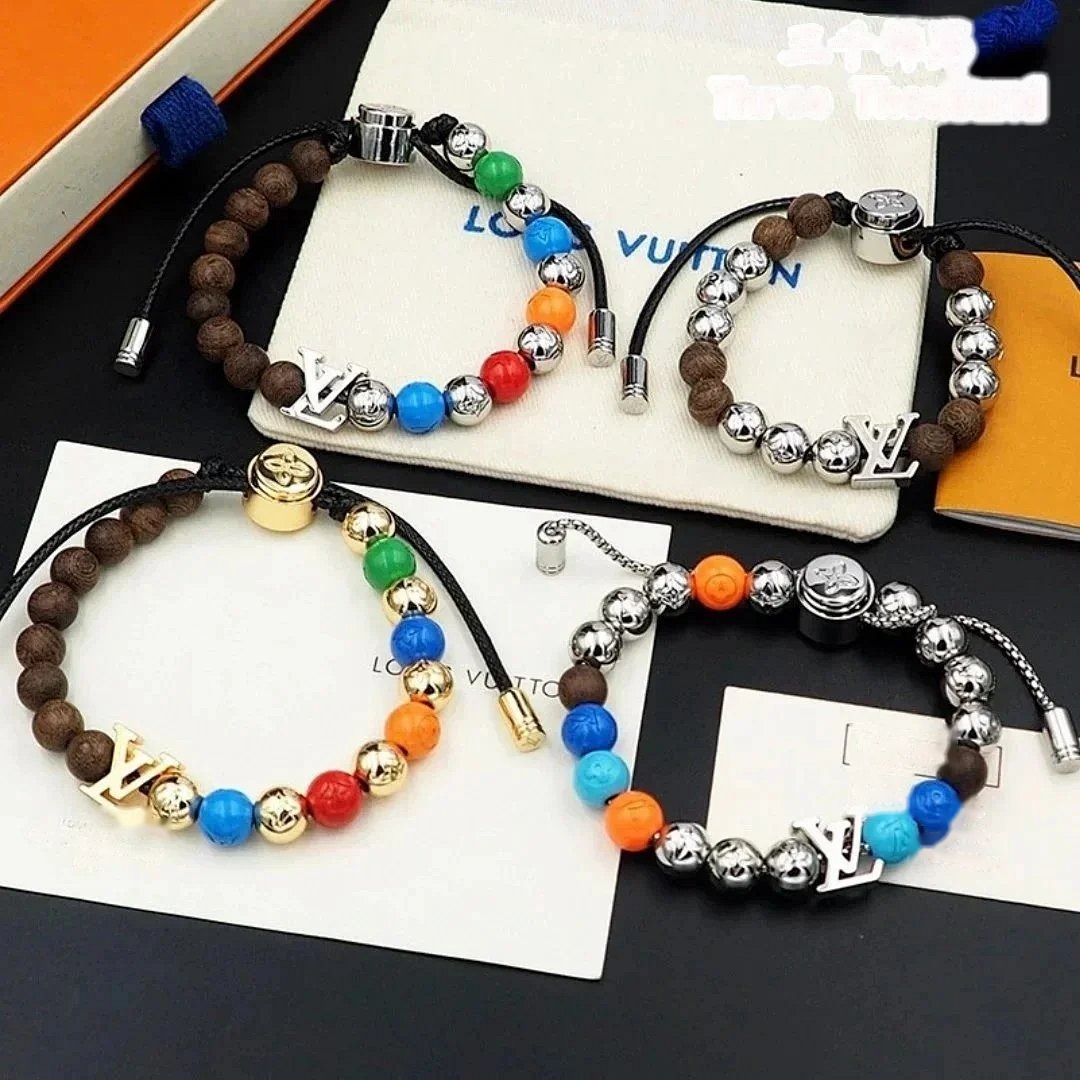 JewelryLouis Vuitton Surfin' Beads Bangle
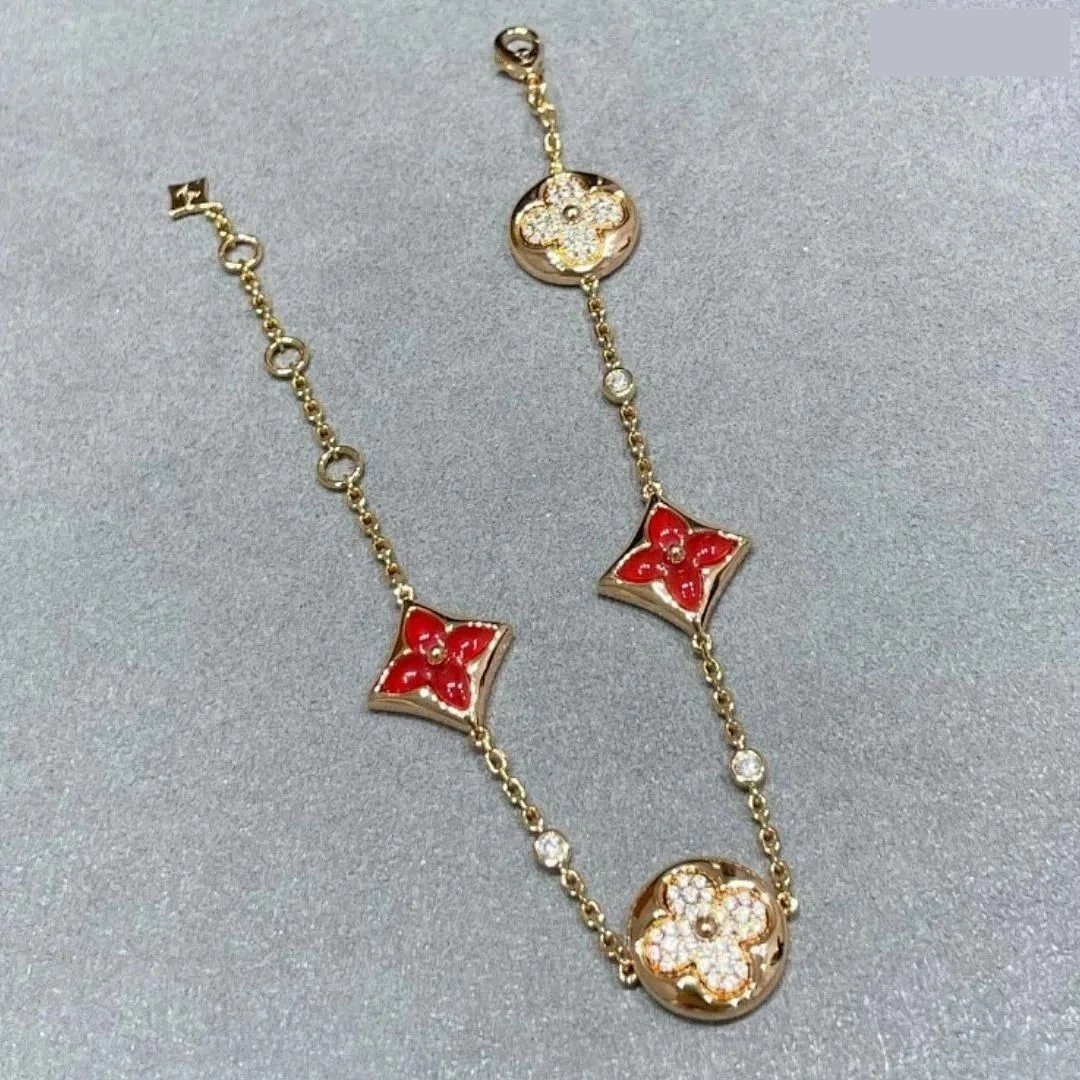 JewelryLouis Vuitton Bracelet Red Floral Printed
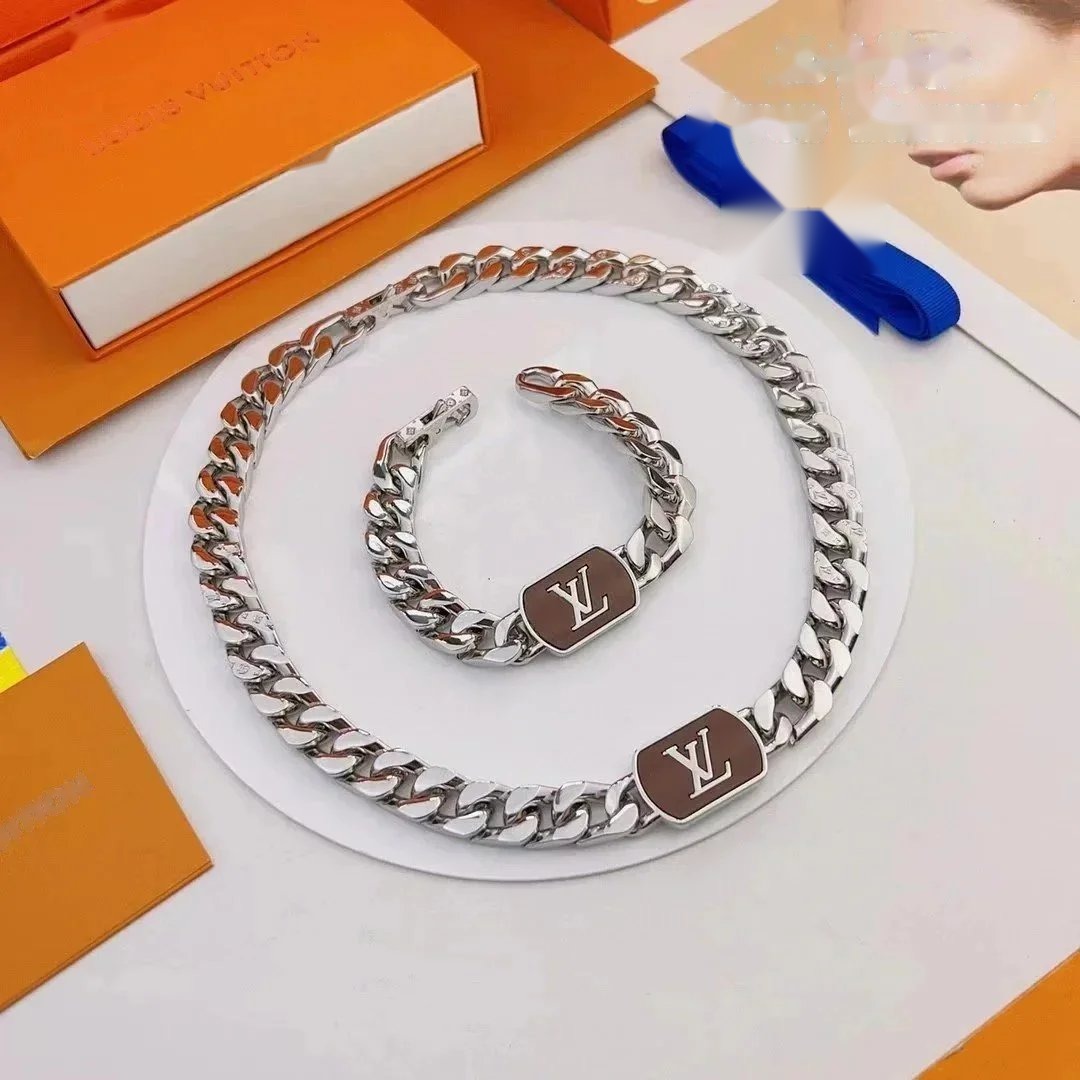 JewelryLouis Vuitton Shades Bracelet Chain
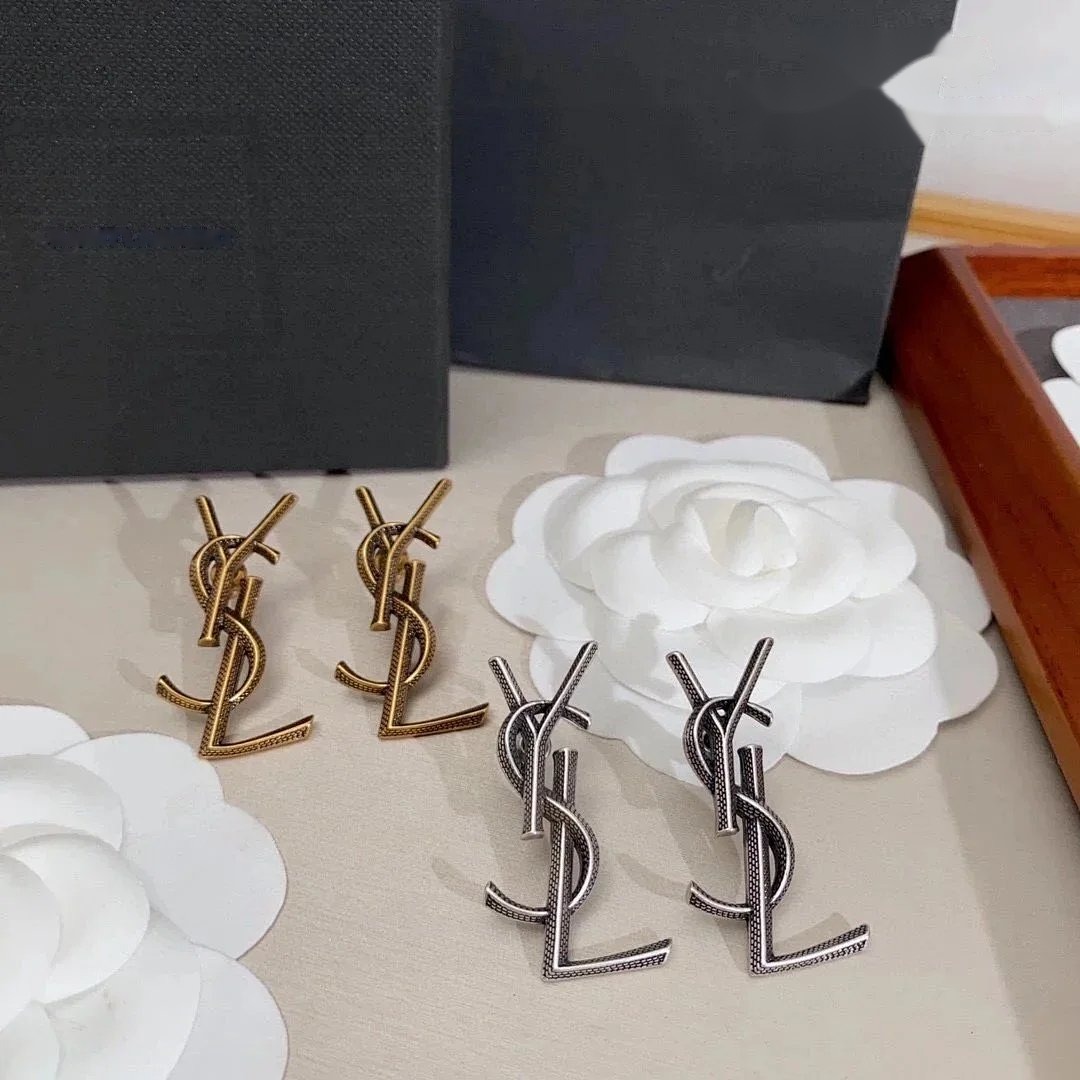 JewelryLouis Vuitton Earrings Vintage
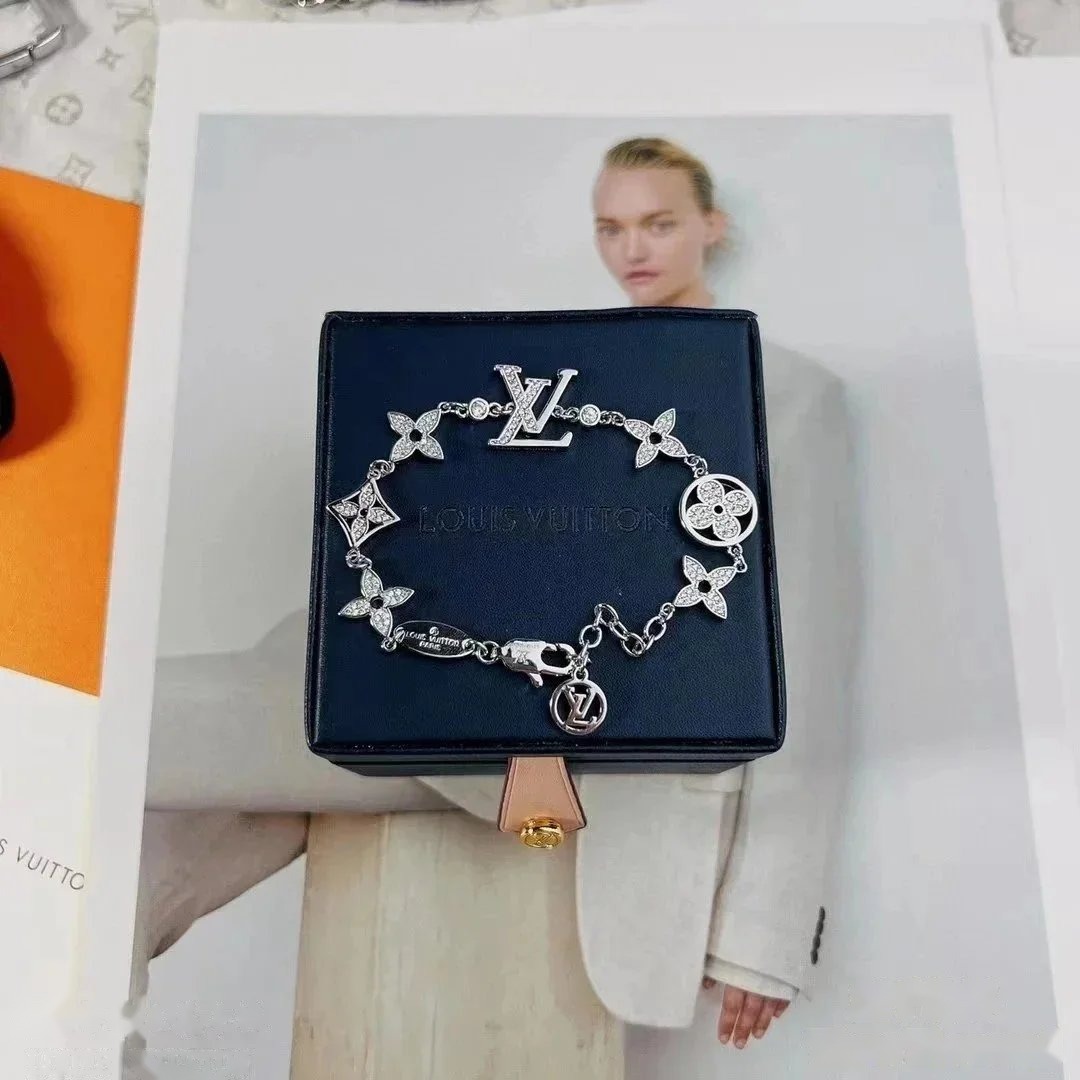 JewelryLouis Vuitton Bracelet Diamond-Set Floral
What to look at, in order
Start with the clasp. A lobster clasp with a proper spring and a soldered jump ring will survive daily wear; a folded wire clasp on a thin ring will not. Ask for a close-up of the clasp closed and open.
Then plating. Colour consistency across a whole chain — not just the pendant — tells you whether the finish is even. Finally, the setting: prongs should sit flush and symmetrical, and stones should not rattle when the piece is moved.
- Clasp close-up, closed and open
- Chain links along the whole length, not just near the pendant
- Prong or bezel setting at high magnification
- A short video with the piece moving, to catch loose stones
Shipping and declaration
Jewelry is small and light, so it consolidates well. It is also the category most likely to attract customs attention per gram, which is why an accurate declaration matters more here than almost anywhere else. Photograph everything you received before removing any tags.