Watches: read the photos like a caseback
Case diameter and lug-to-lug decide how a watch wears; the movement and the dial close-ups decide whether you will still like it in six months.
 WatchesVacheron Constantin Overseas 4500 41mm
 WatchesFranck Muller Yachting V32 32mm
 WatchesPatek Philippe Nautilus Full Pave
 WatchesRolex Datejust 31mm
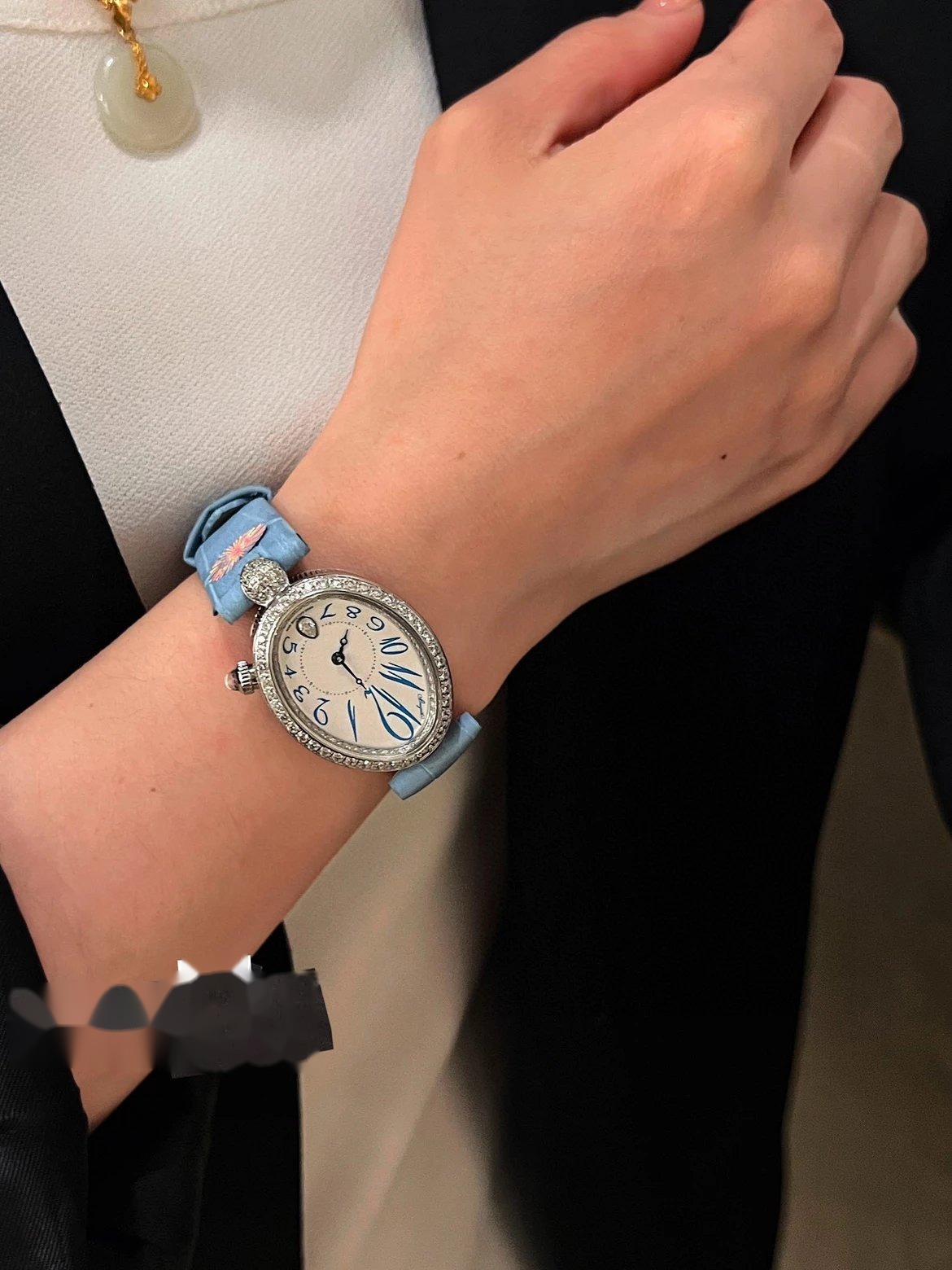 WatchesBreguet Reine de Naples
 WatchesBreguet Reine de Naples Alligator Quartz
 WatchesRolex GMT-Master II Automatic Men
 WatchesPatek Philippe Nautilus 41mm Diamond Bezel
 WatchesJaeger-LeCoultre Master Ultra Thin Moon Moonphase
 WatchesRolex Cellini 39mm
 WatchesRolex Datejust 40mm Date
 WatchesLongines Heritage
Wearability before specification
A 41mm case with long lugs wears far larger than a 41mm case with short ones. Always ask for the lug-to-lug measurement, then compare it against a watch you already wear comfortably. This is the single most useful number in the category and it is almost never in the listing.
Case thickness matters too, especially on chronographs. Measure it against a cuff or shirt sleeve you actually wear.
- Dial close-up at an angle: date window alignment and index symmetry
- Caseback and crown: engraving depth, thread quality, seal condition
- Bracelet or strap end links: fit tolerance against the lugs
- Lume shot if the listing claims one, plus a timed shot for a quartz sweep
| Measurement | Why it matters | Ask for |
|---|---|---|
| Case diameter | The headline number — but not the whole story | Calipers across the bezel |
| Lug-to-lug | Decides how large it wears on your wrist | Straight-on photo with a ruler |
| Thickness | Affects how it sits under a cuff | Side profile against a coin |
| Movement type | Determines winding behaviour and service needs | Photo of the movement, not the description |
Shipping a watch safely
Insist on a box inside a box, and remove the strap from the case if it is a metal bracelet so the links cannot rub the case sides. Declare a realistic value — an underdeclared watch is usually uninsured at the moment you most need the cover.